Mount Barker House
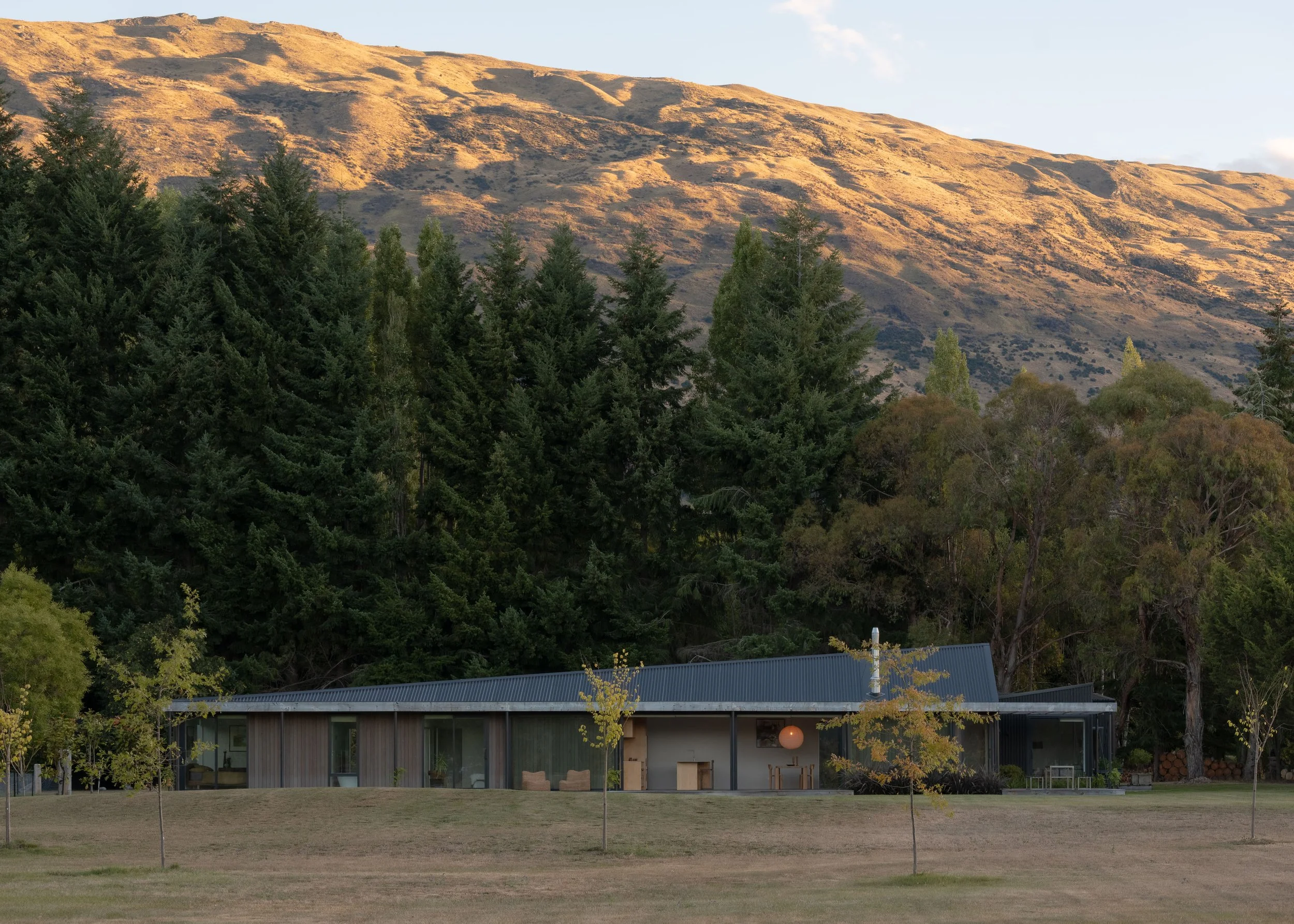
Located at the base of Mount Barker this site has held a family across four generations. Purchased in the late 1970s, a modest timber crib was built for seven children. Over decades it became the place the family returned to, summers on the lawn, significant milestones celebrated, those who passed remembered. When the property came to the next generation, the question was never whether to build. It was how to build something that honoured what the land already held.
The clients needed a permanent home that could also remain a place for their wider whānau to gather. But the brief reached further than that. To design a home for generations is to reckon with the fact that the environment those generations will inhabit is shifting. Central Otago's climate is already one of extremes. From that tension, a single question emerged: how can a home hold generations of whānau and endure within a changing natural environment?
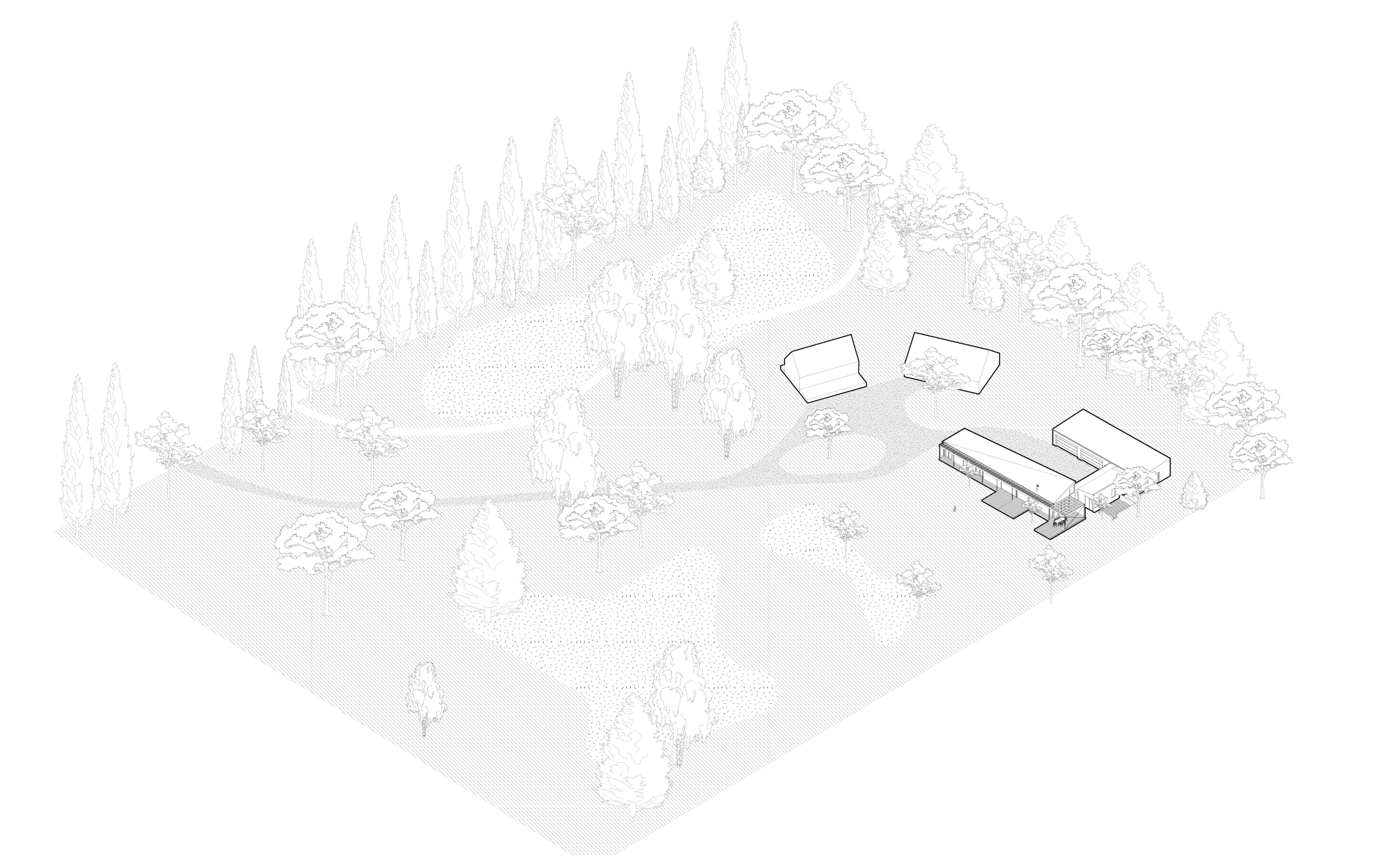
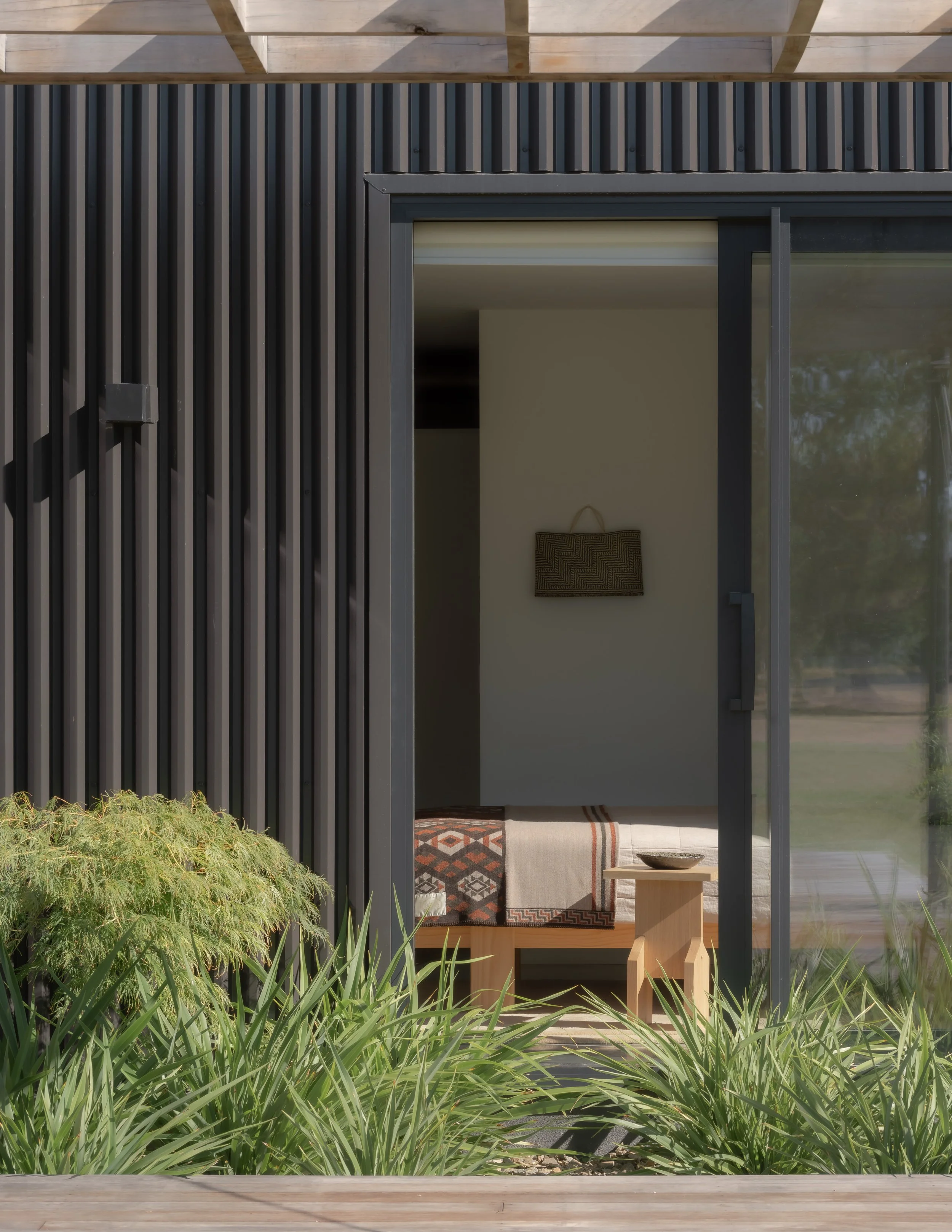
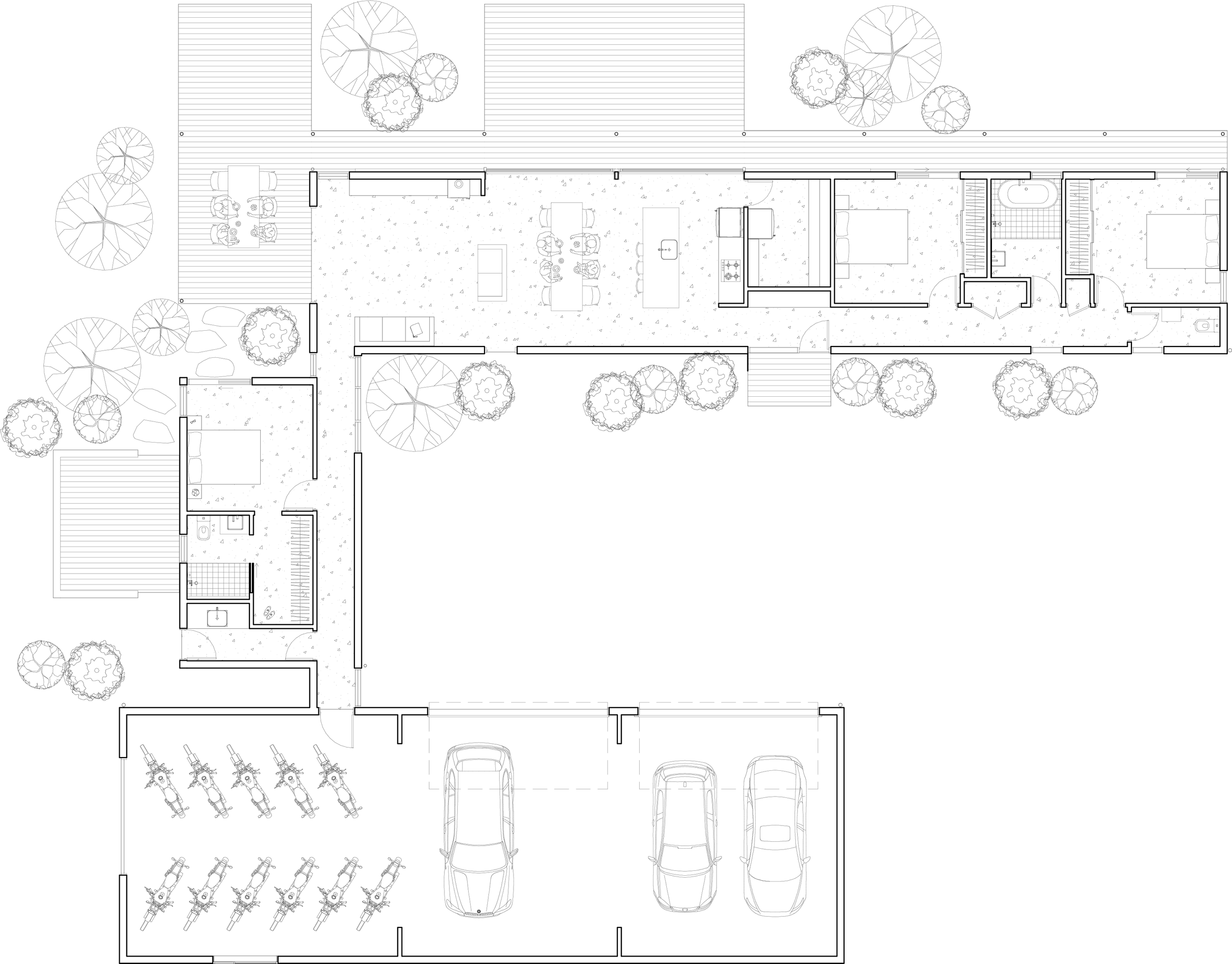
The existing crib and sleep-out were retained, held close to the new dwelling, continuing to shelter the wider whānau when the family came together. The new house became the heart of the site, connecting what was already there and the people who moved between it.
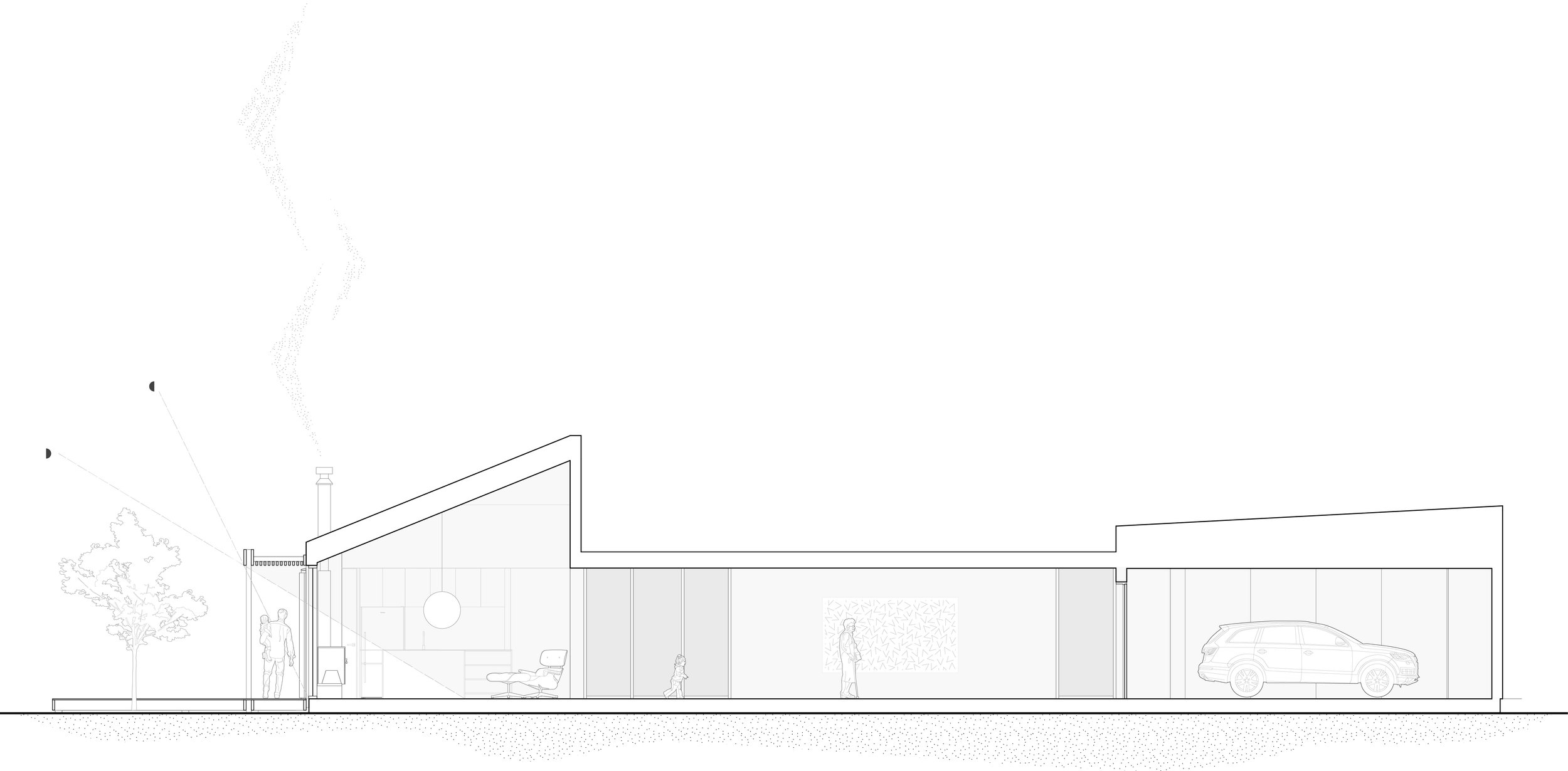
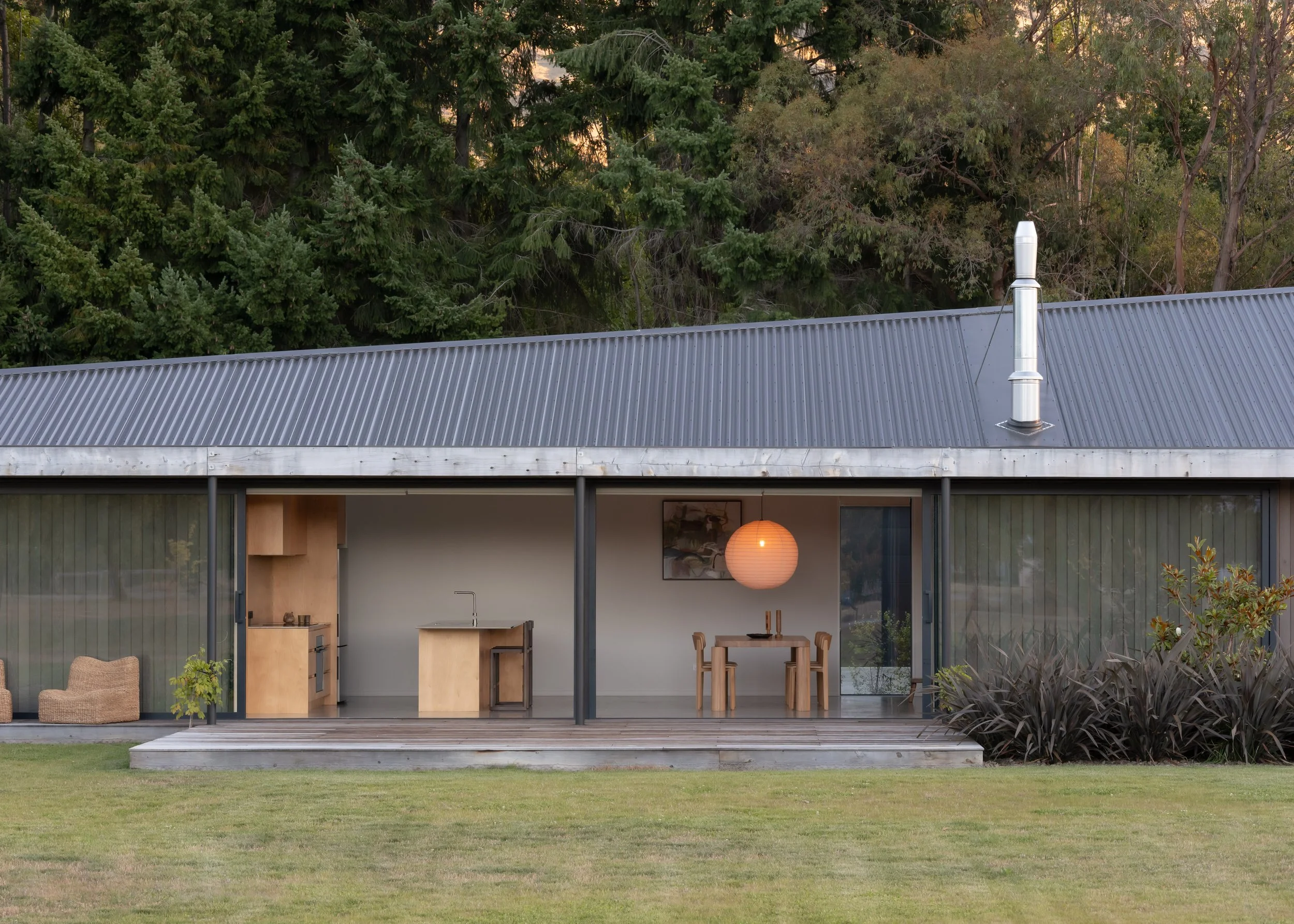
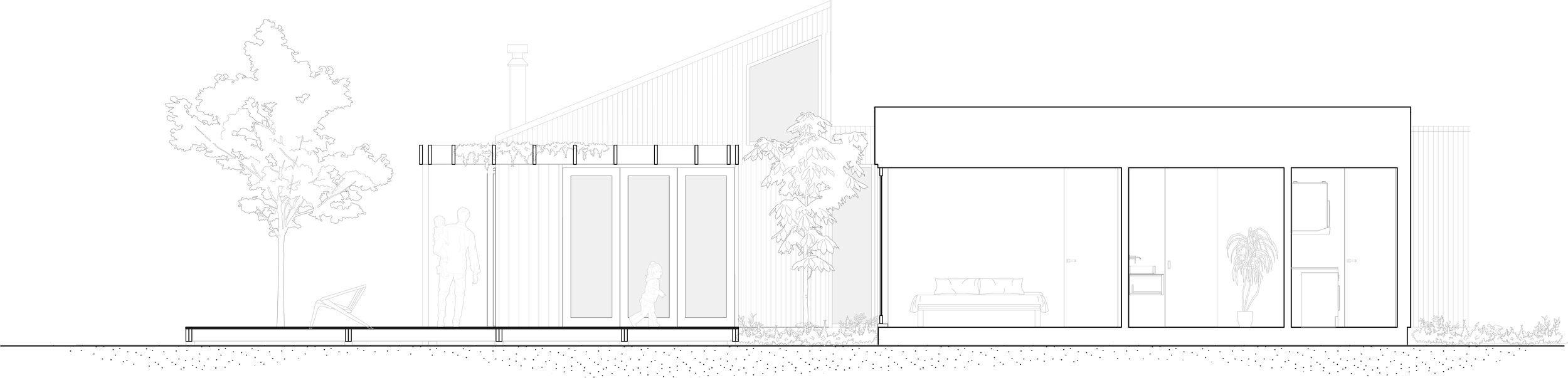
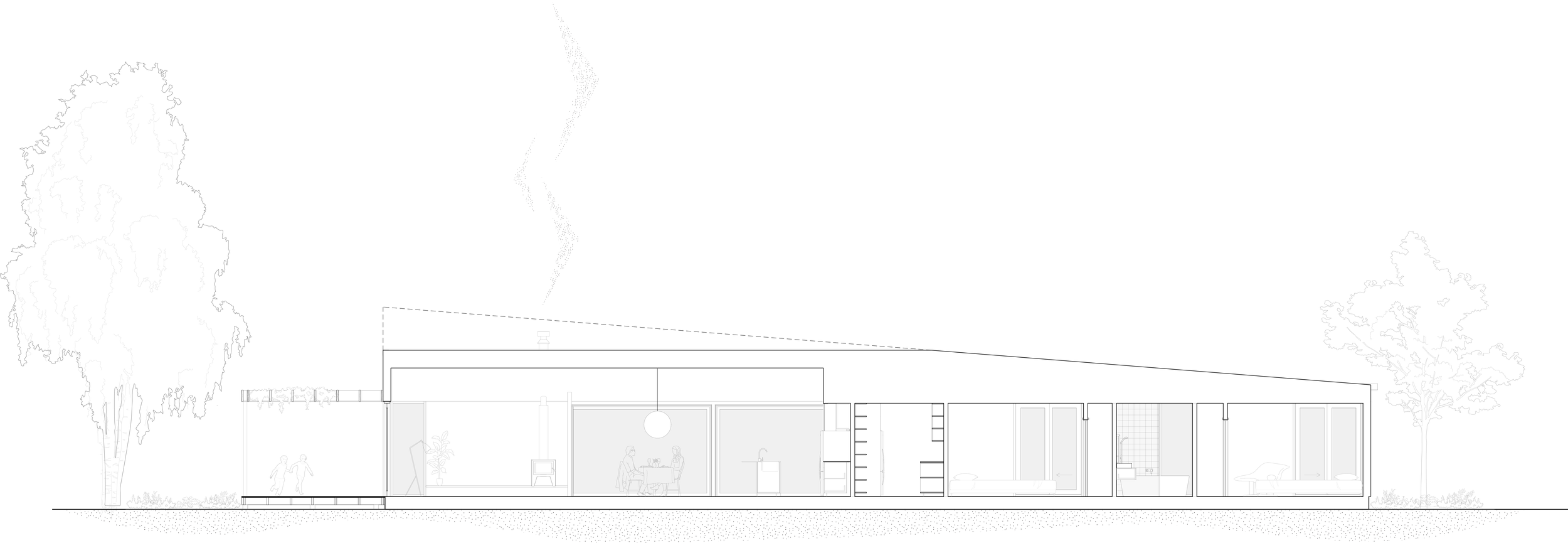
The home was organised across two wings. A quiet bedroom wing for the owners, tucked behind a planting threshold. A generous living wing, opening north to a deck and the sprawling lawn where decades of cricket and football were played out, where children became adults and adults became grandparents.
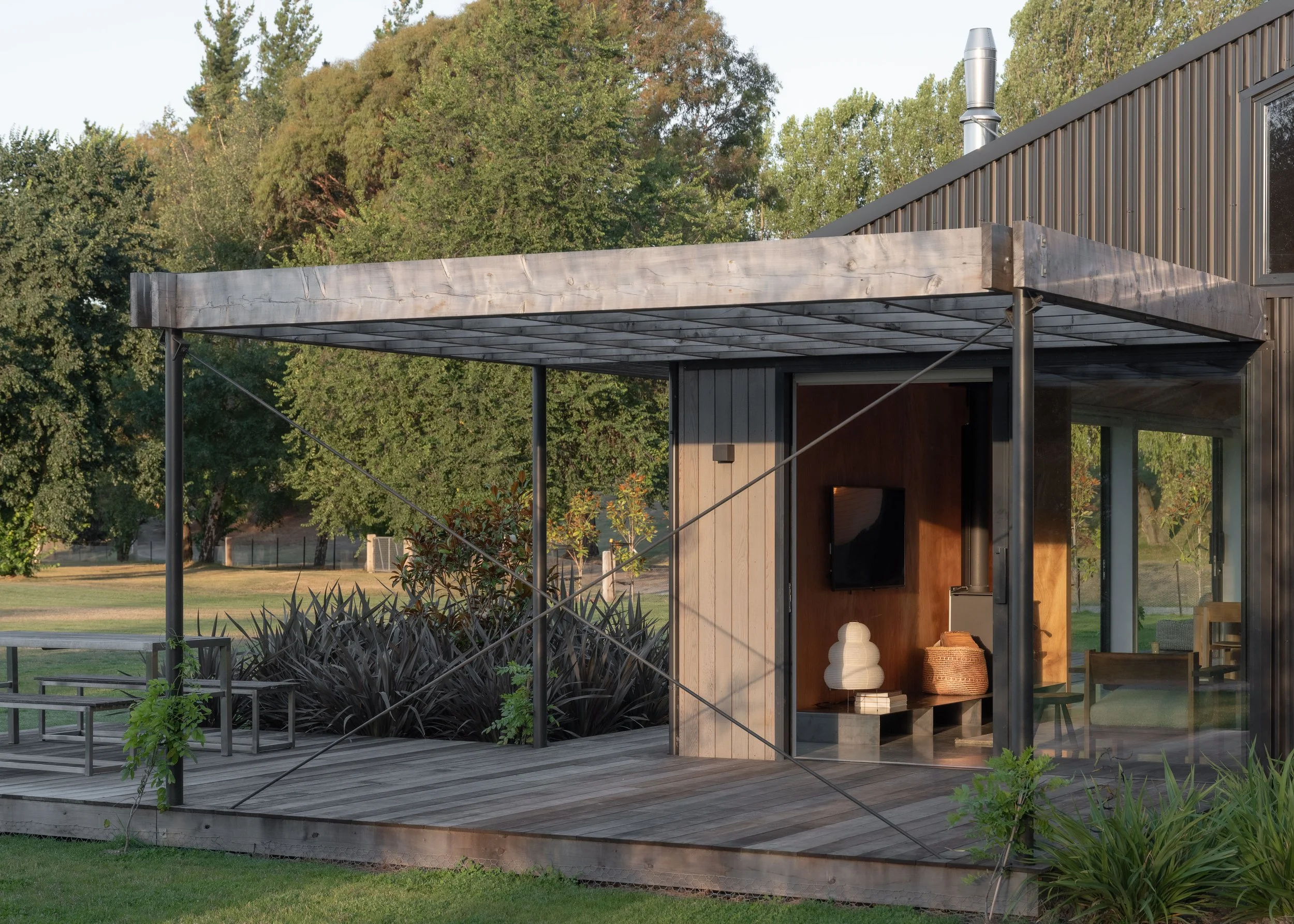
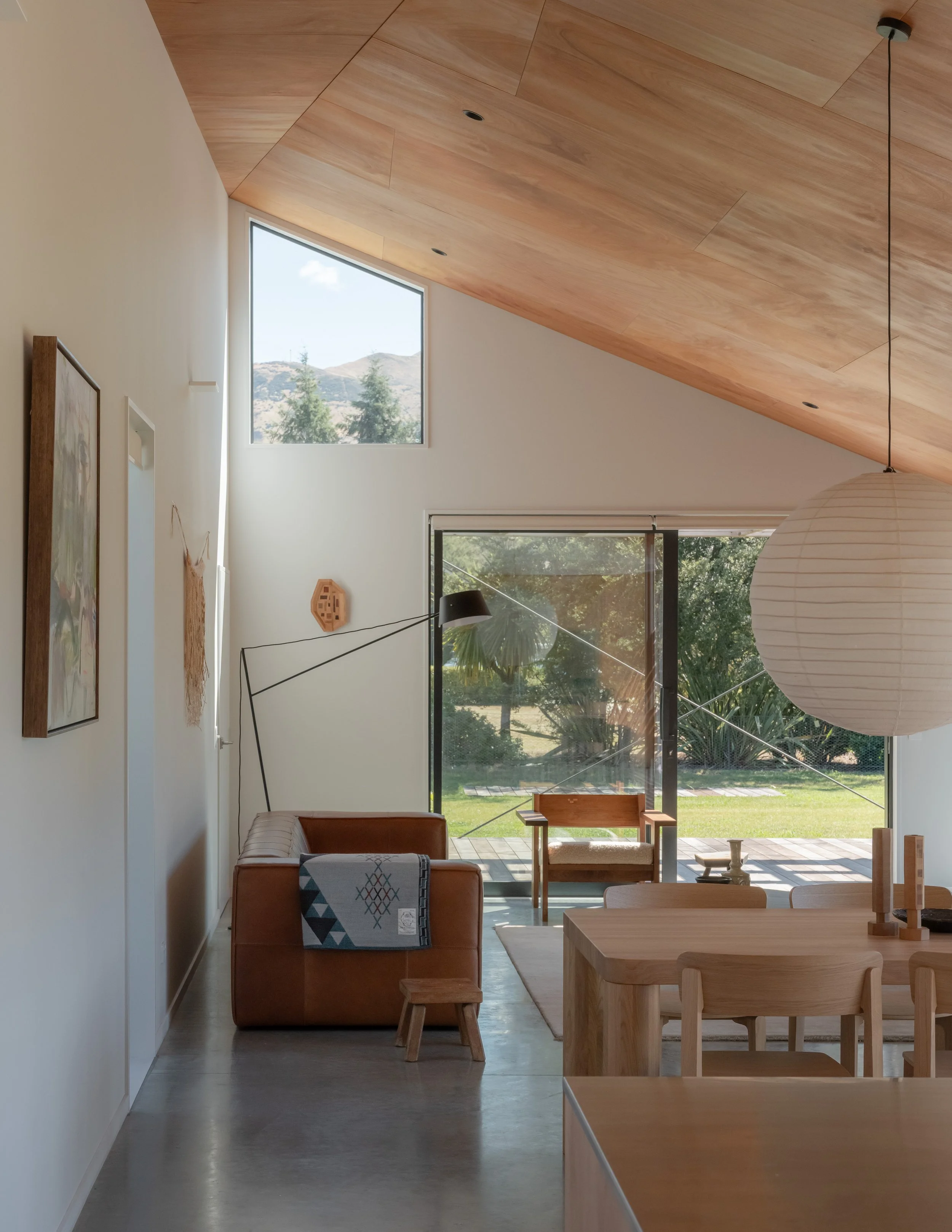
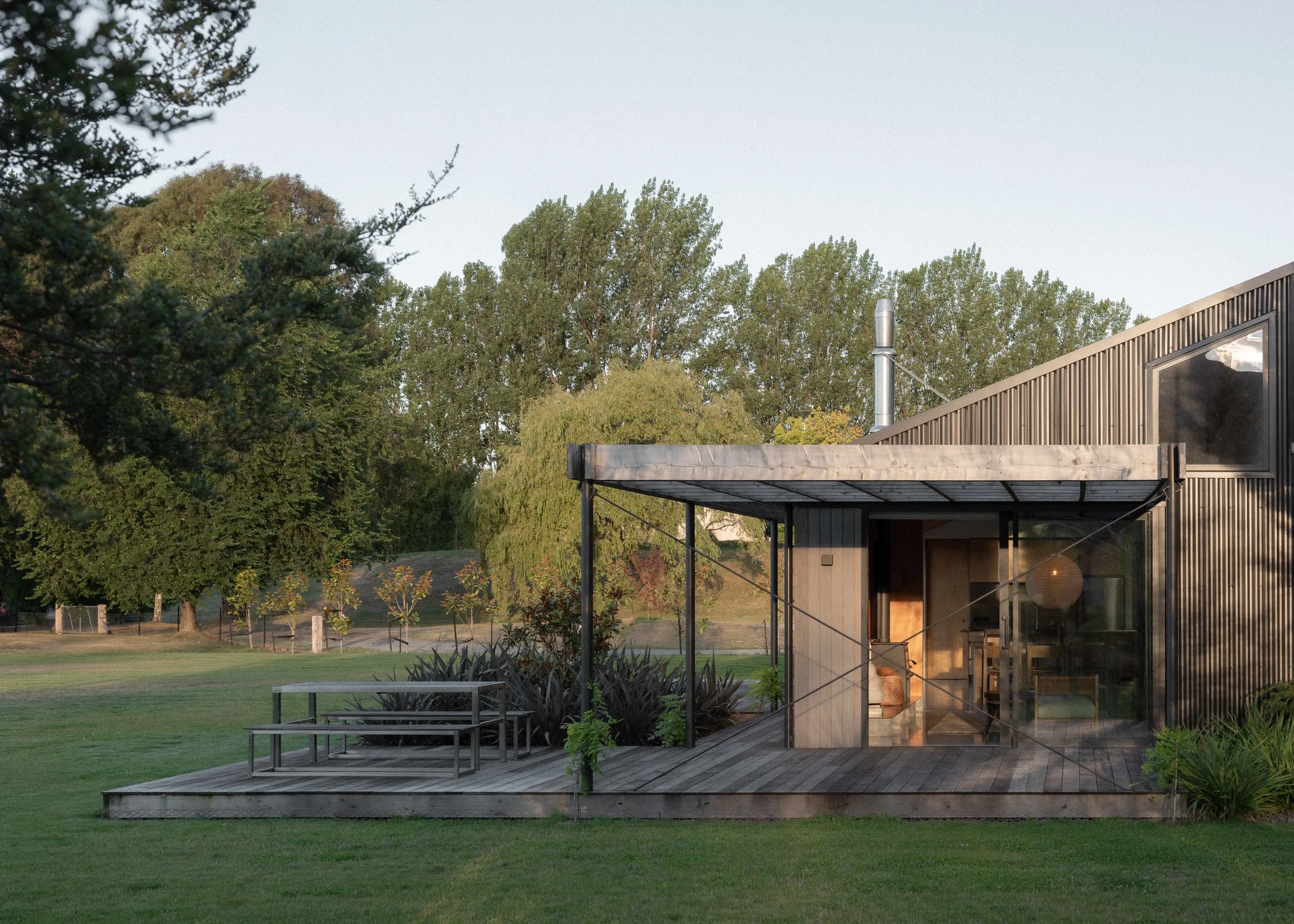
Passive house principles shaped the design. Large north facing glazed sliders and west facing bifold doors serve a dual purpose, drawing the sun deep into the home in winter to heat the thermal mass of the concrete slab. In summer the same openings spill out to generous deck areas and an exterior breezeway threading the house to the wider site, blurring the boundary between inside and out so that the land feels like an extension of the home. The northern pergola is slatted to admit low winter sun and shade the living spaces in summer; the western pergola is left open, with vines growing along the frame, cooling in summer and bare in winter. The house shifts quietly with the seasons.
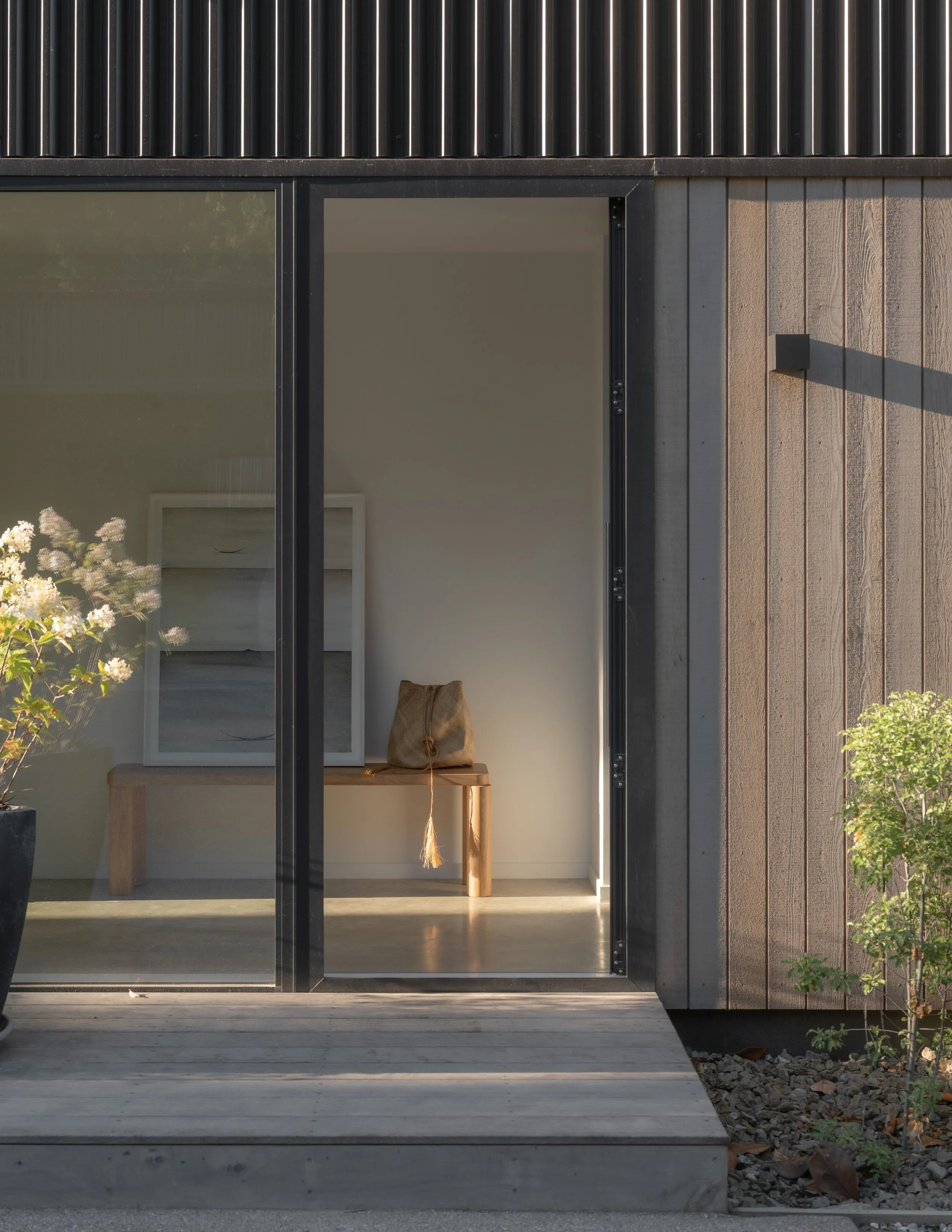
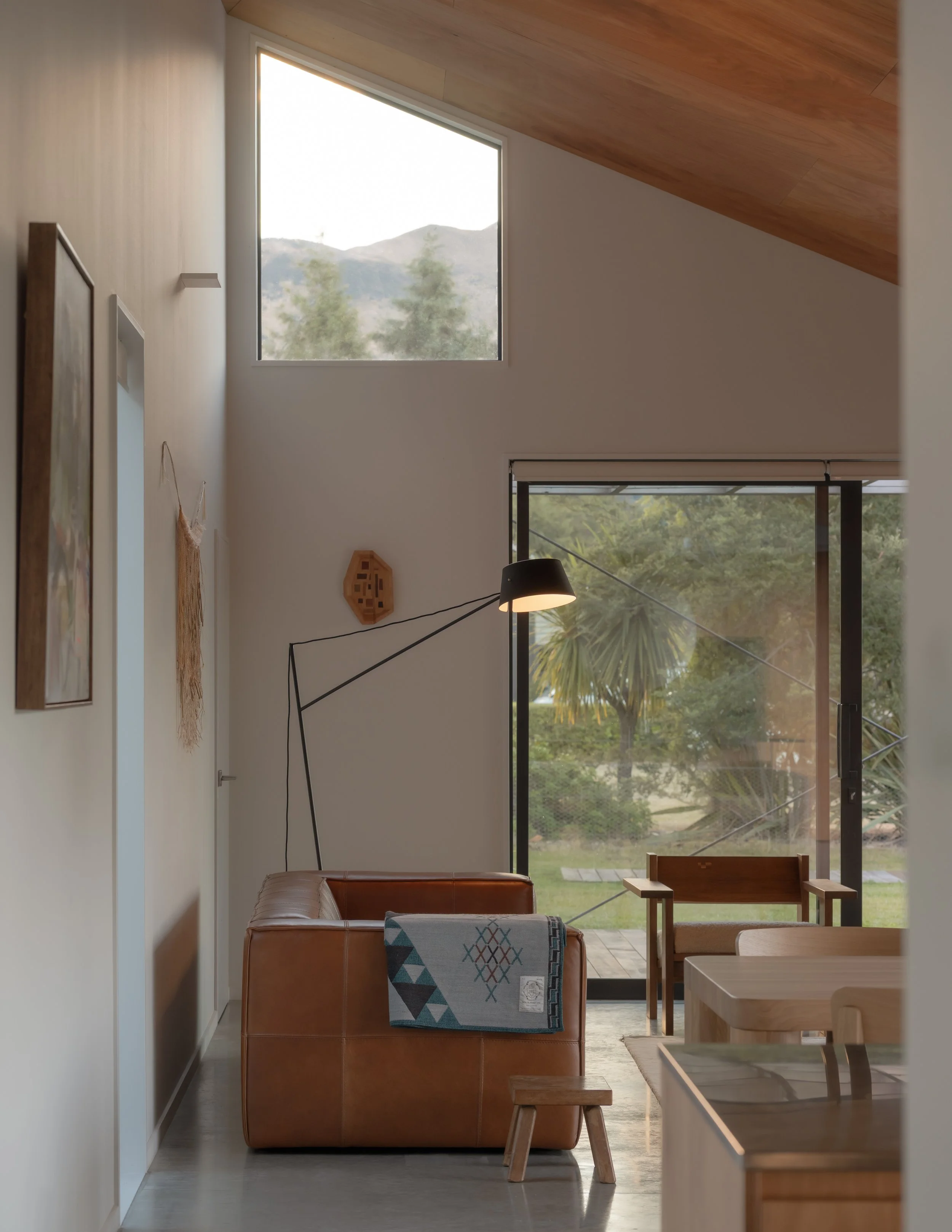
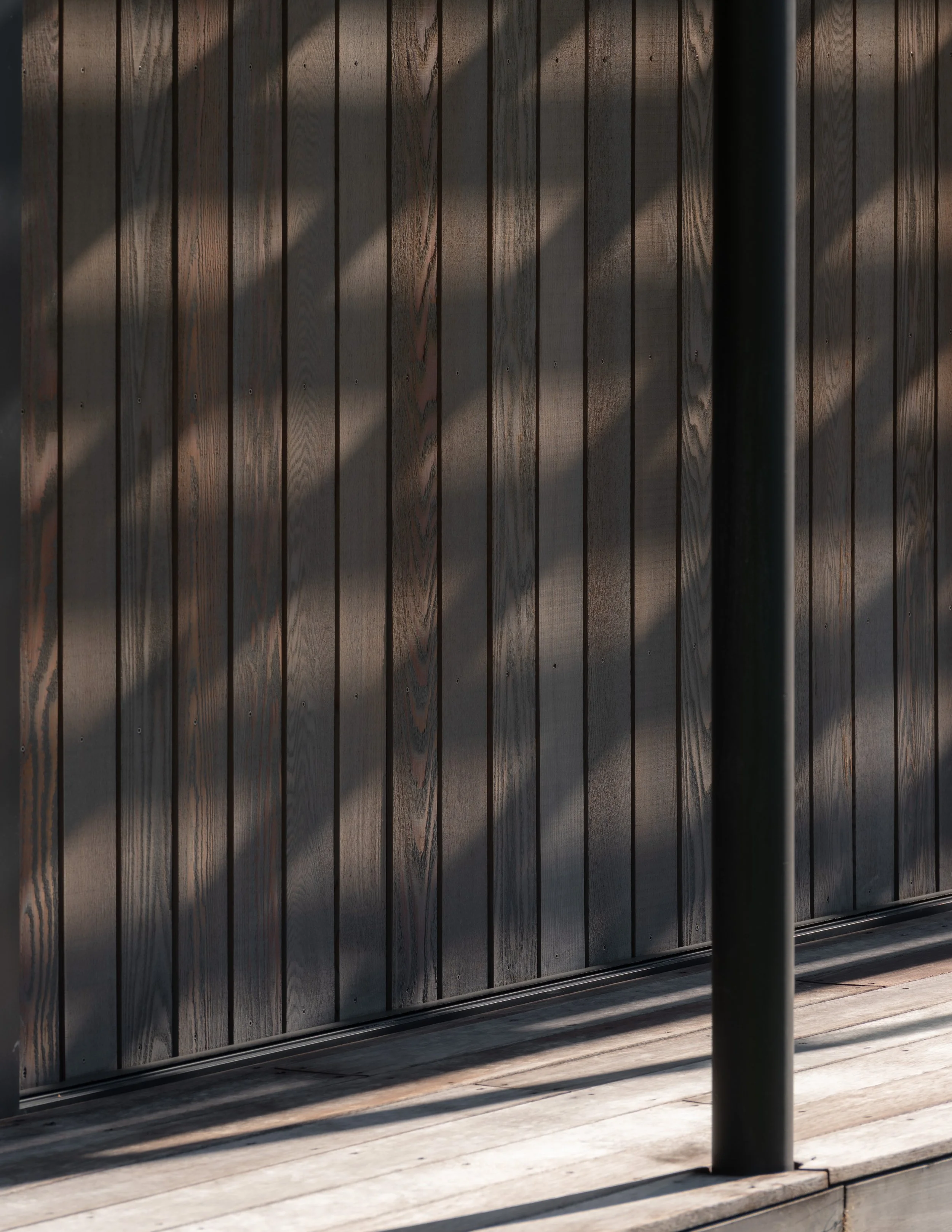
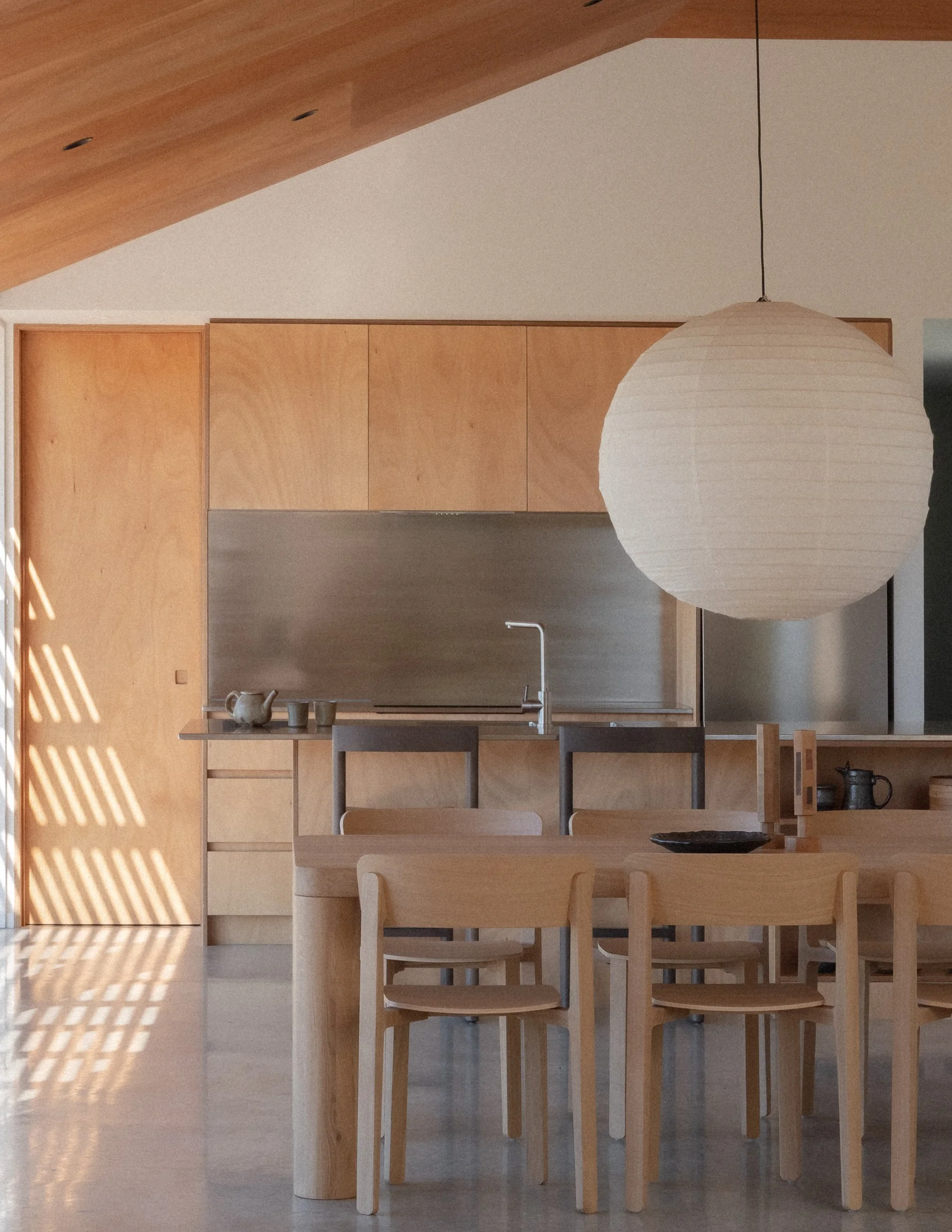
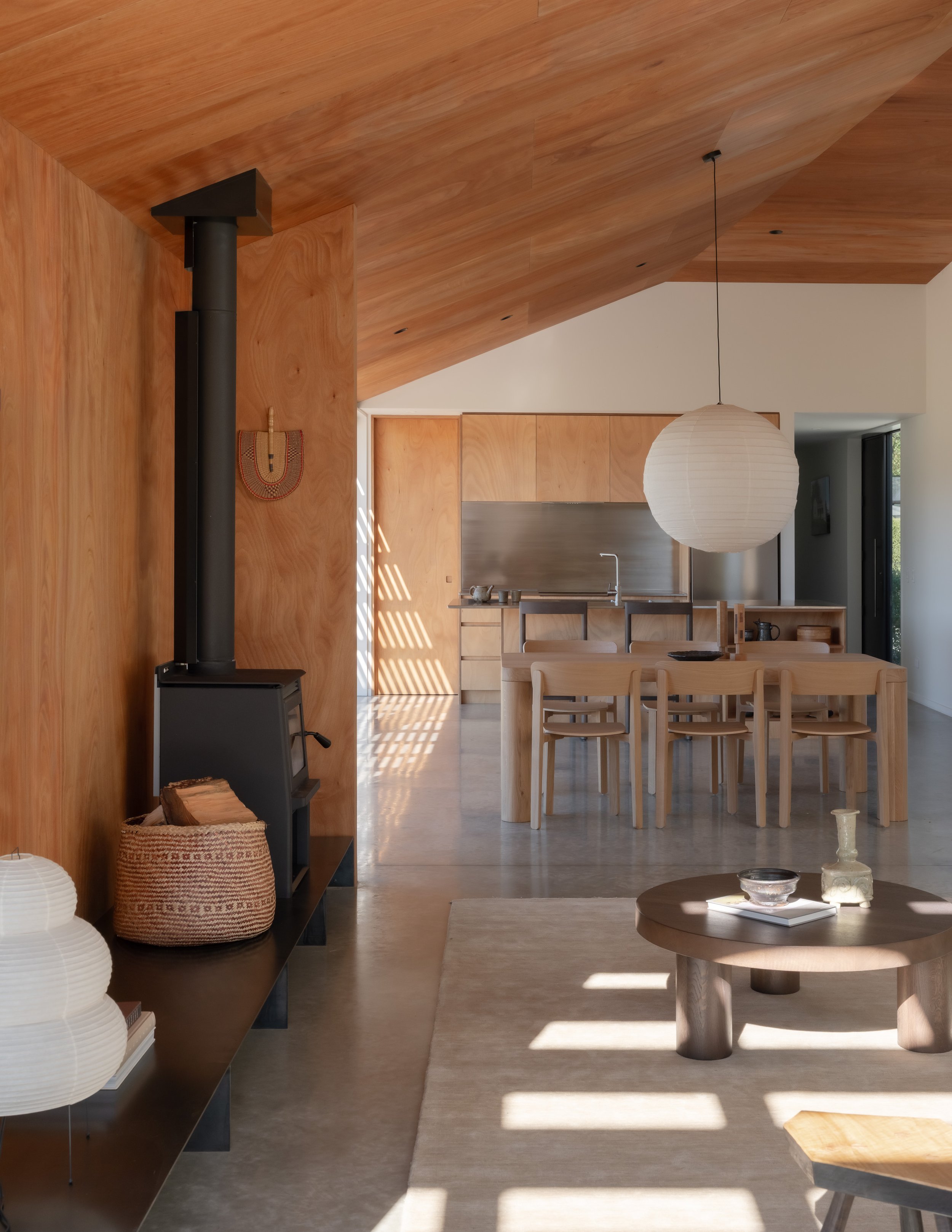
The roofline captures a portrait window framing Mount Roy within the living interior, a view that changes with the hour and the quality of the light, and gives the room its sculptural character. Cedar cladding and profiled metal were chosen to recede into the landscape rather than compete with it. A home that asks to be looked past, not at.
What the project demonstrates is that longevity is both a technical and a cultural ambition. A home that performs well across a changing climate, that holds the rhythms of a large family, that carries the feeling of what came before. The clients described it best, despite moving into something entirely new, it carried the same feeling as the old crib. Relaxed. Easy. Familiar. A continuation of the family's story on that land, rather than a fresh start.
Completed 2025
Builder: Aspiring Builds
Structural Engineer: Tu Tika
Photographer: Biddi Rowley